DC5 - Jan 16, 2024
Designing a unique brand identity
and website from top to bottom
By Simon Foster

A. Process - 5D Approach
1. Discover
Look at the initial client consultation, getting to know the client, getting to know the brand, the products.
2. Define
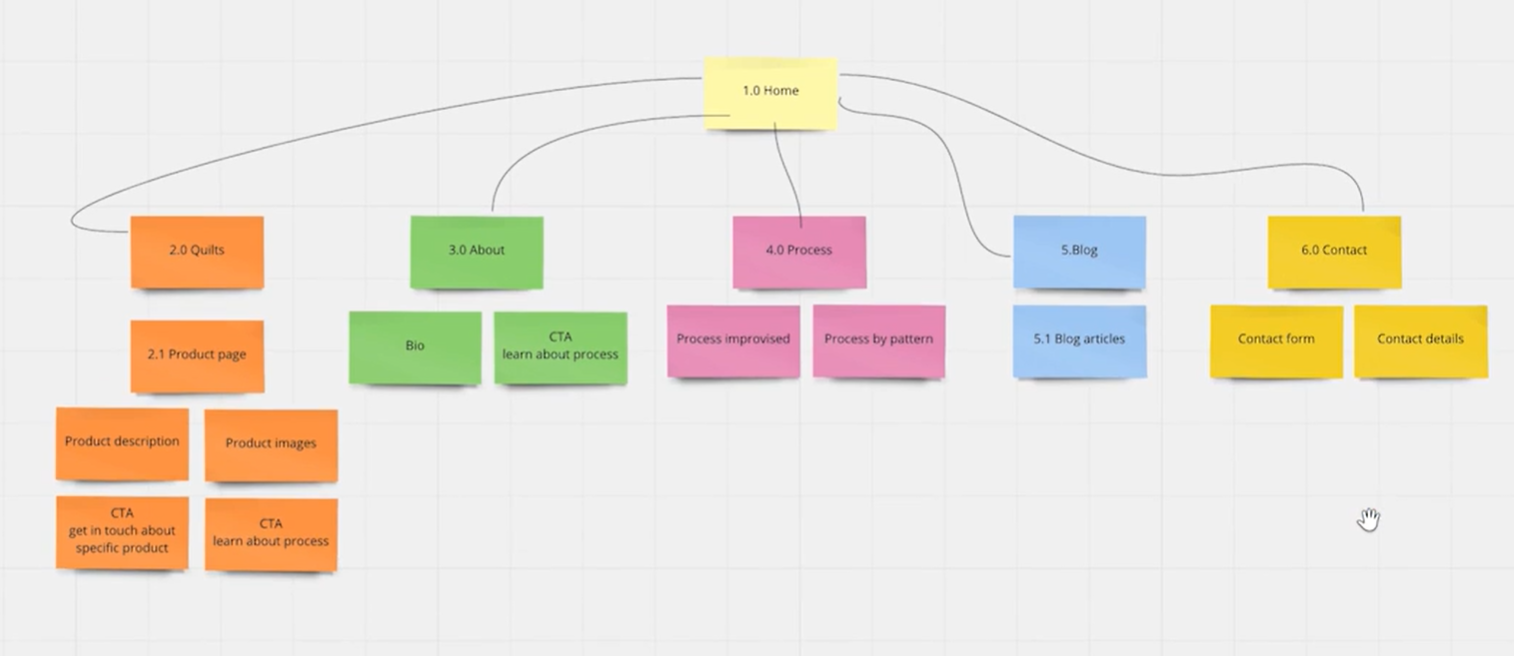
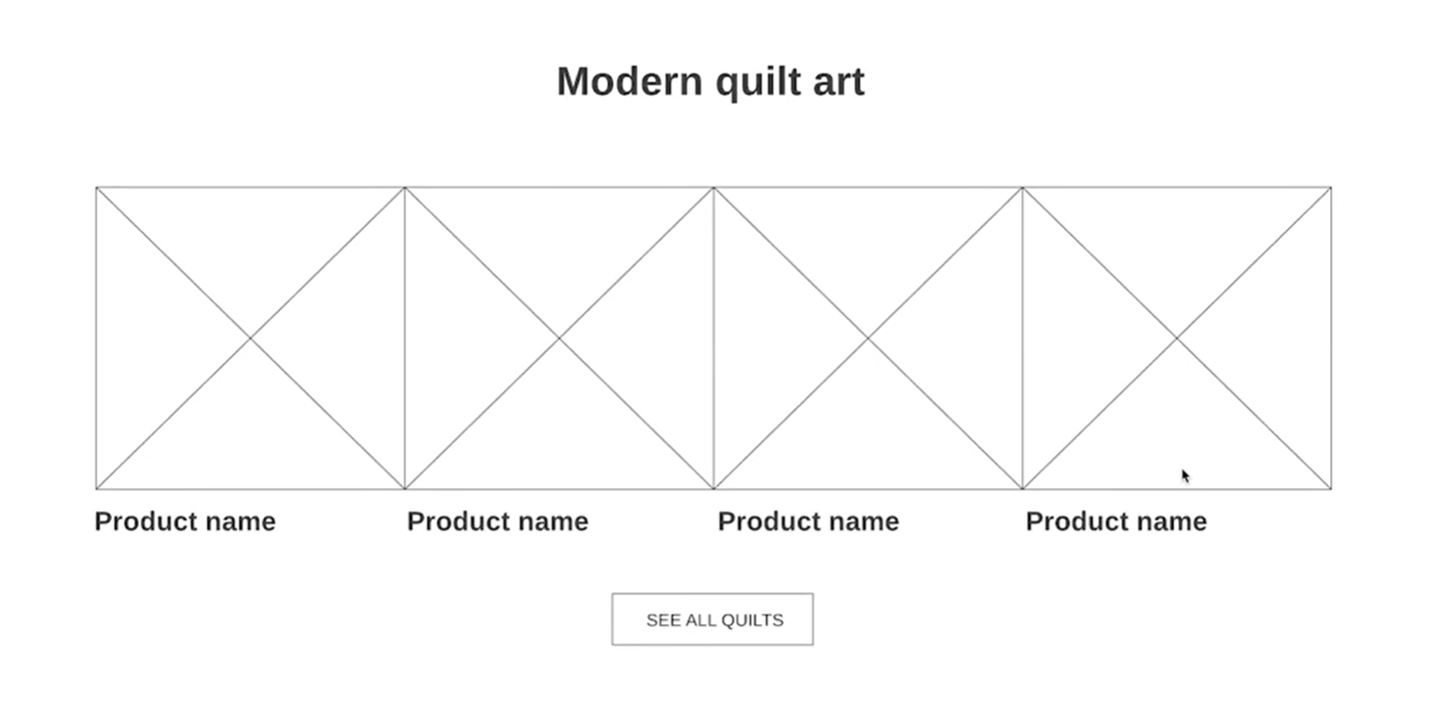
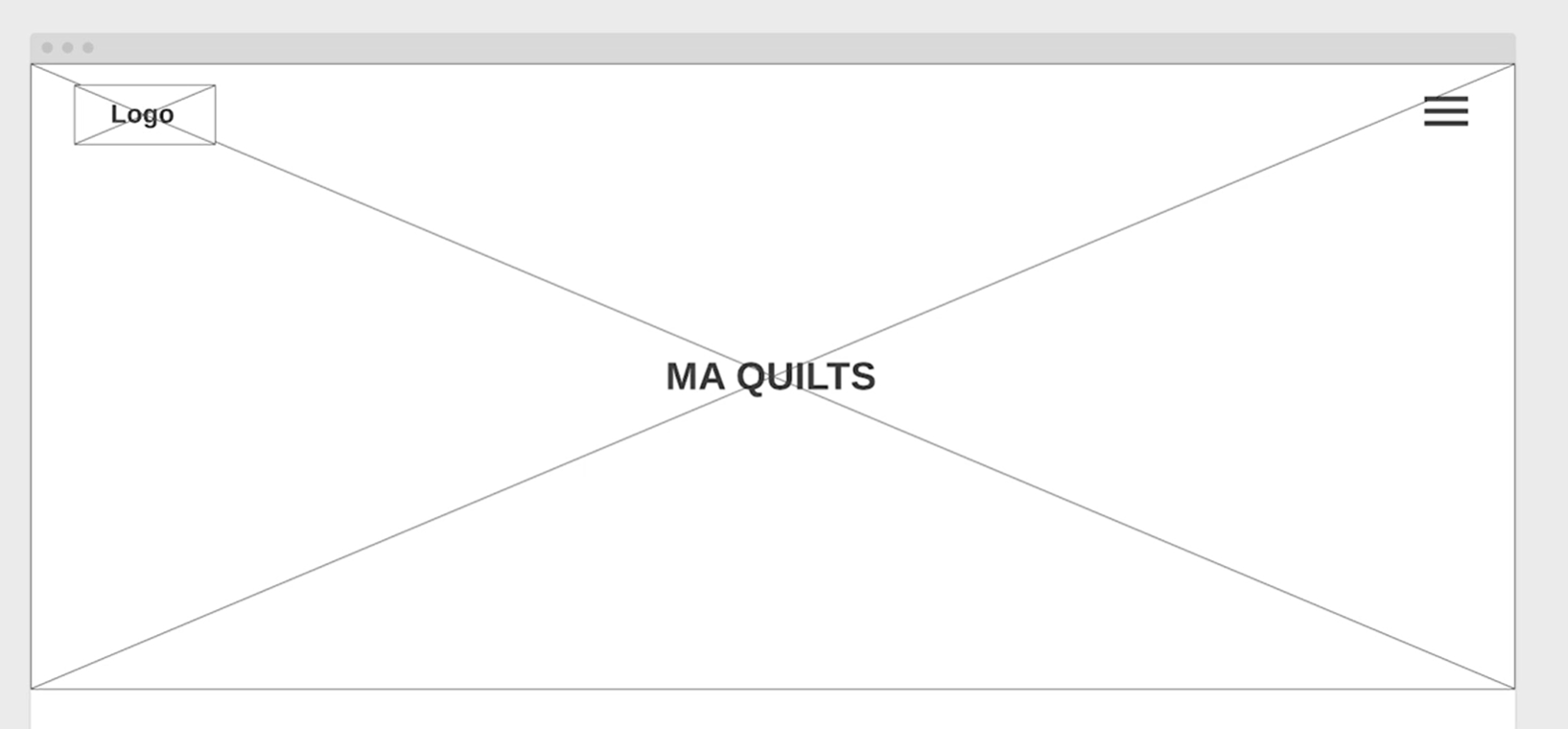
Define the scope of the project, what needs to do, what touch points need to be covered. Then define the information architecture and create a wireframe (low-res prototype).
3. Design
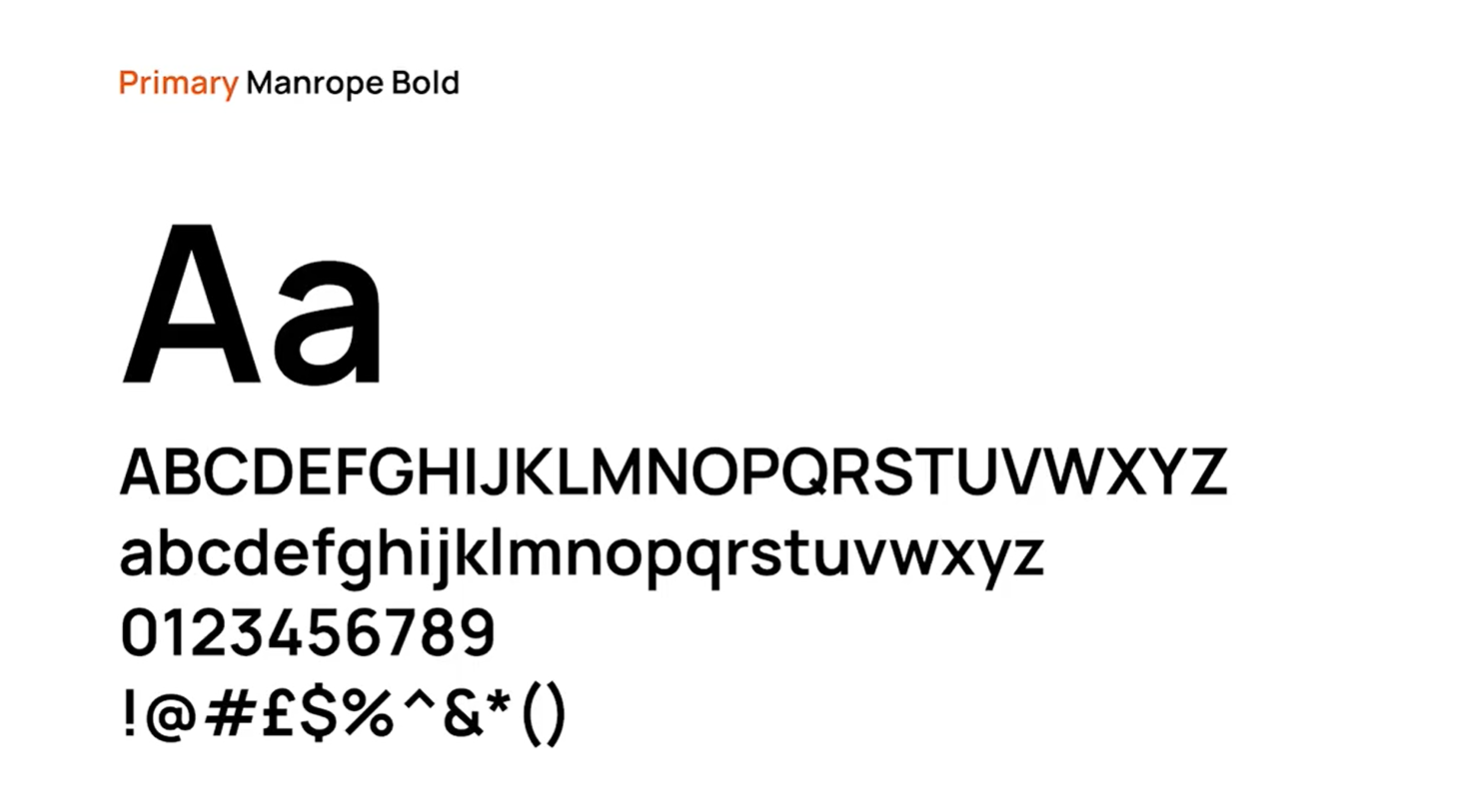
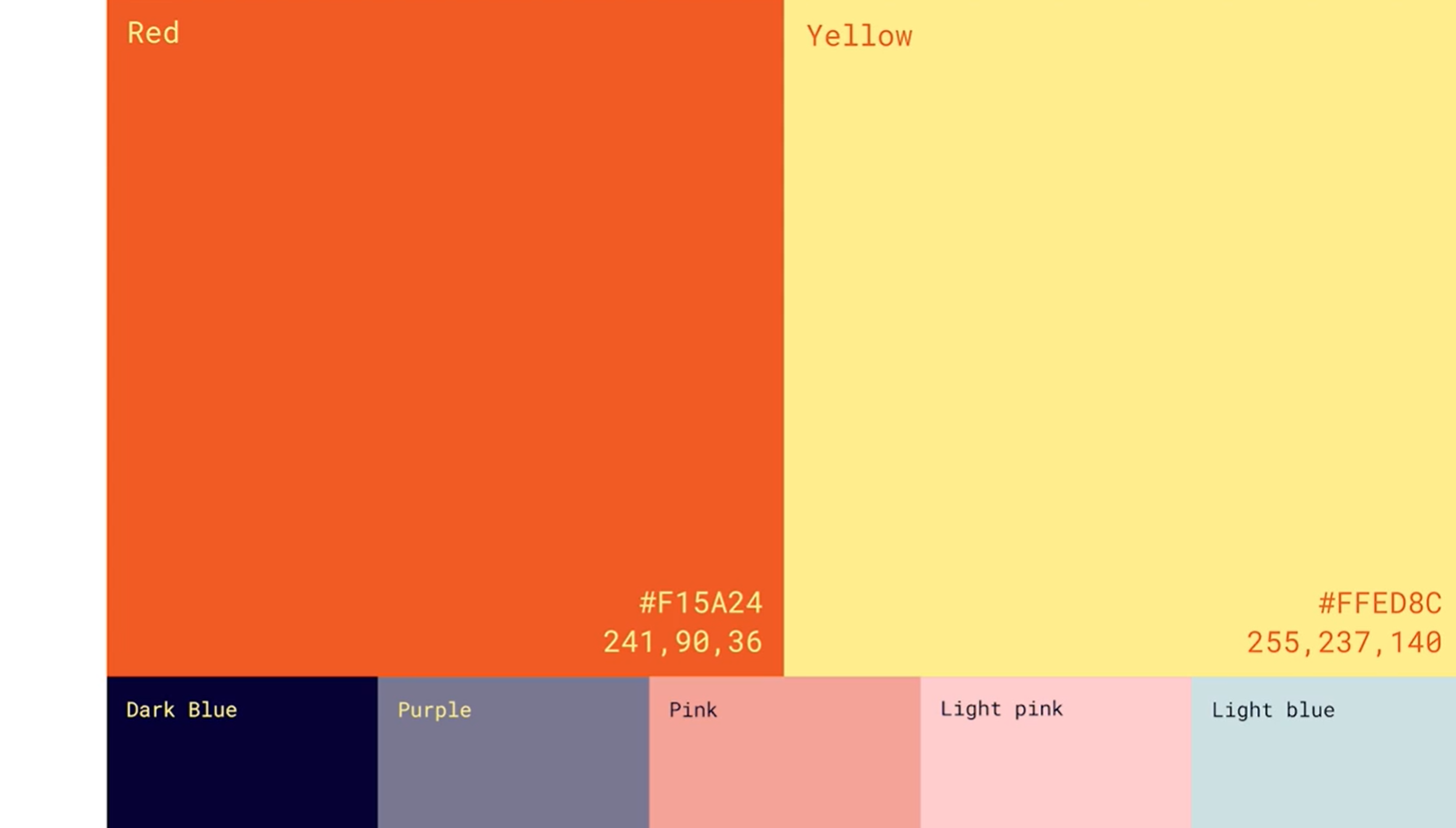
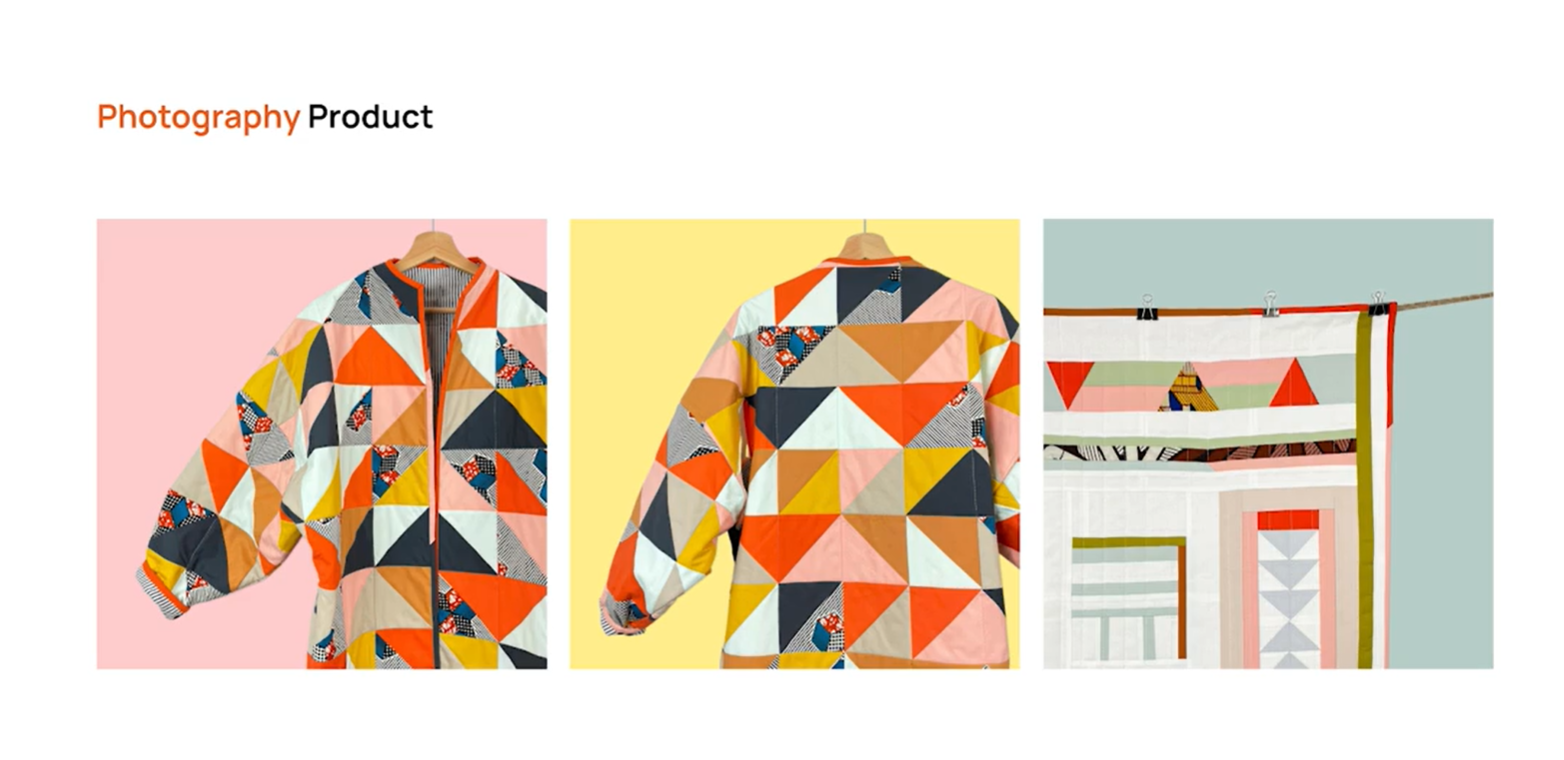
Take out the architecture and wireframe and create the user interface (hi-res prototype) while also going over the branding element such as typography, color palette, use of photography, different graphical elements.
4. Develop
5. Deploy
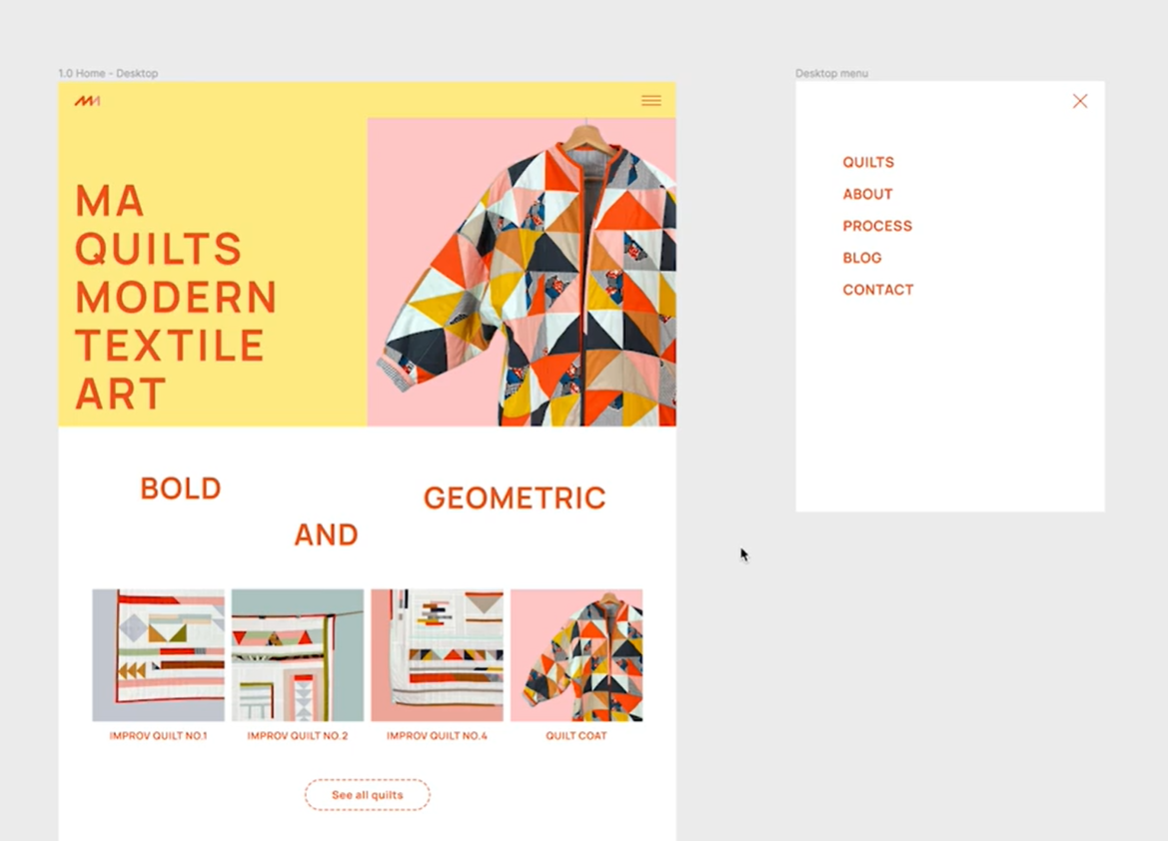
B. Client consultation
1. Points you will and need to learn
- Personality of the brand needs to come through the whole branding such as social media, shirts, website.
- Website should be a platform to showcase the design used in the products to make it cohesive
- The brand identity needs to translate well across different mediums.
- The website should start a conversation, either from potential buyer or collaborator.
C. User eXperience
1. Information architecture
- List everything. Doesn't need to be sorted, you just need to lay everything so you can group them later on.
- Categorize each item .
- Create navigational structure.
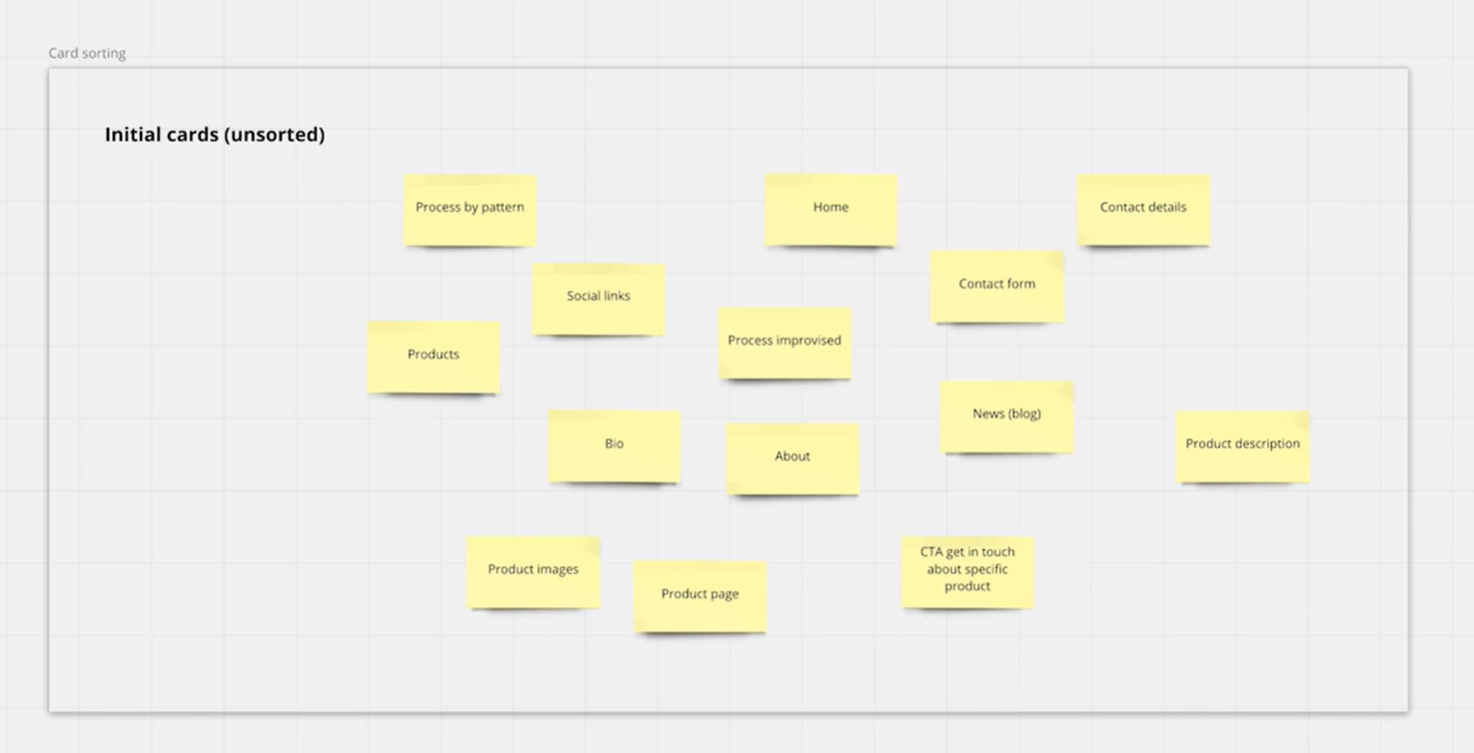
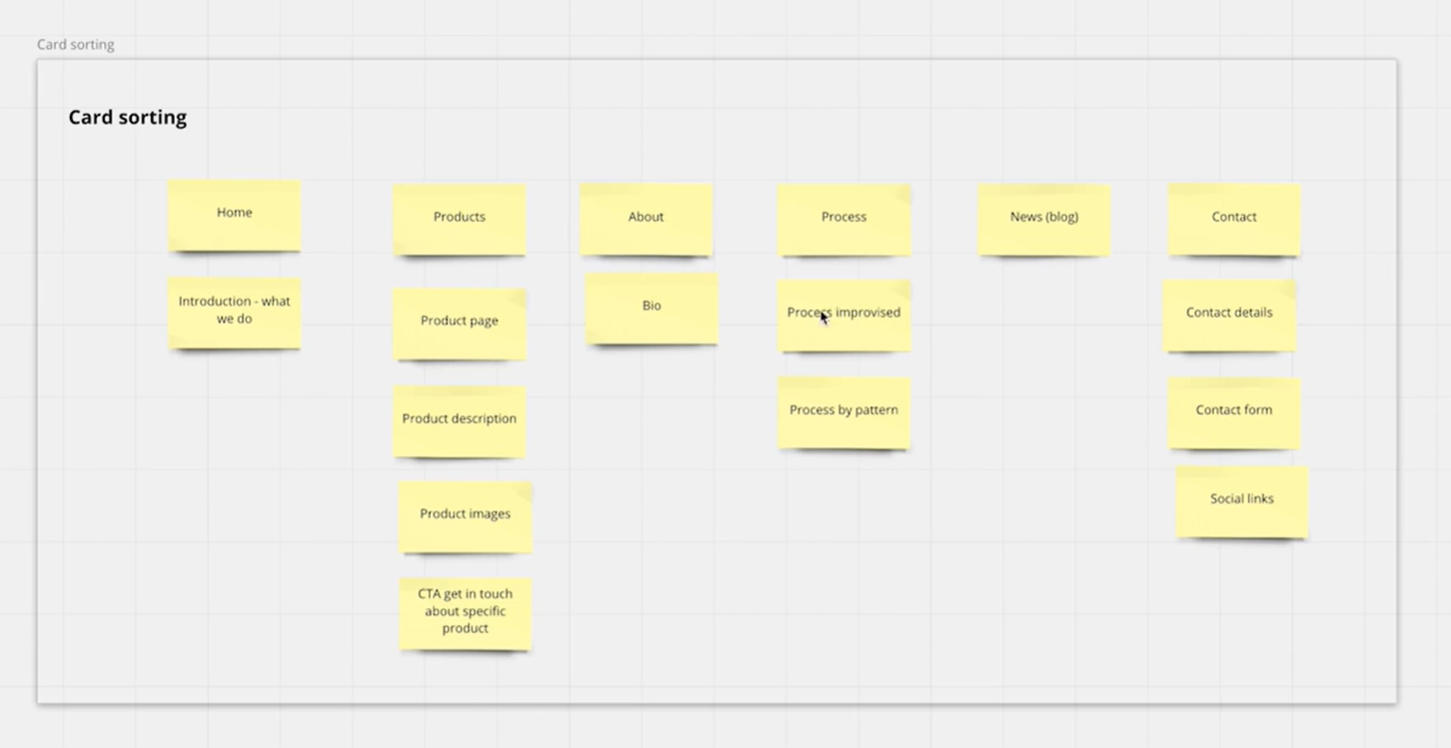
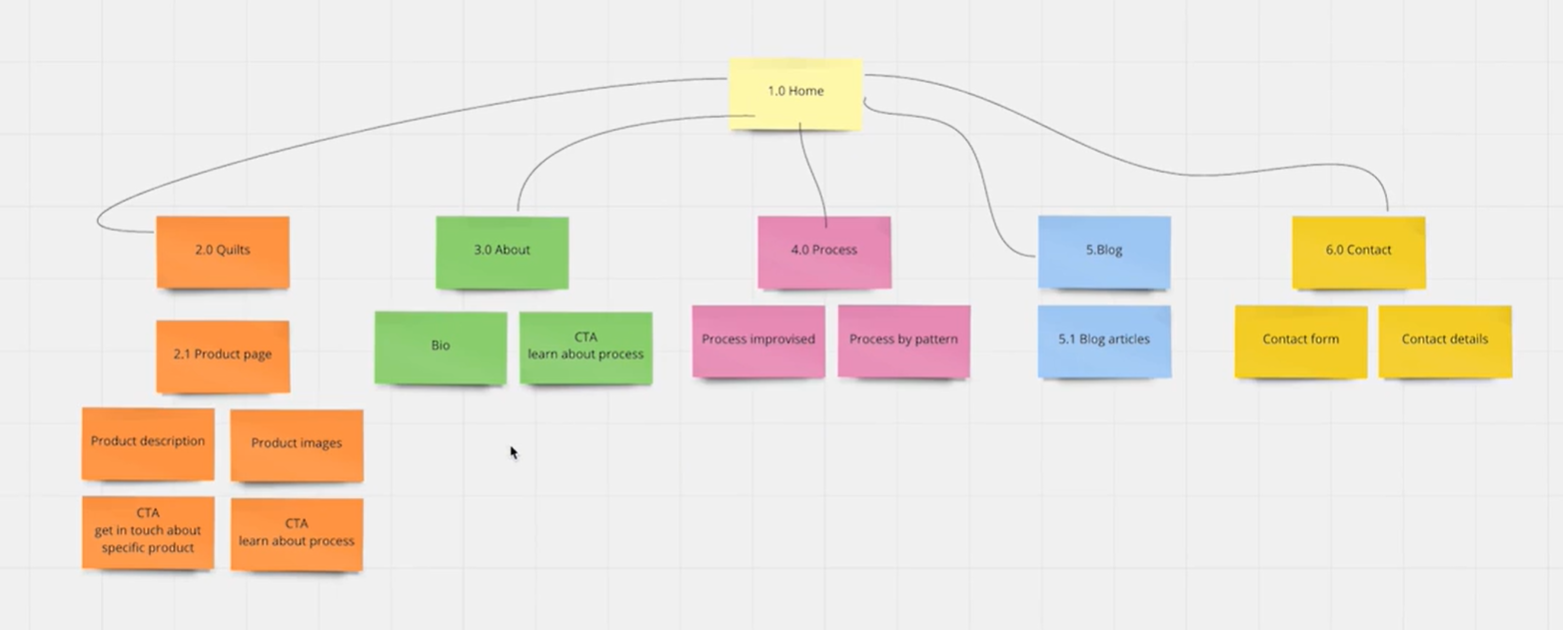
2. Wireframes
- Low-res prototype just to have an idea where each element should go, where should the navigation be placed, etc. This allows us to logistically see what the final product will look like.
- Homepage should atleast have snippets of the remaining pages (products, about, process, contact).
D. Designing brand identity
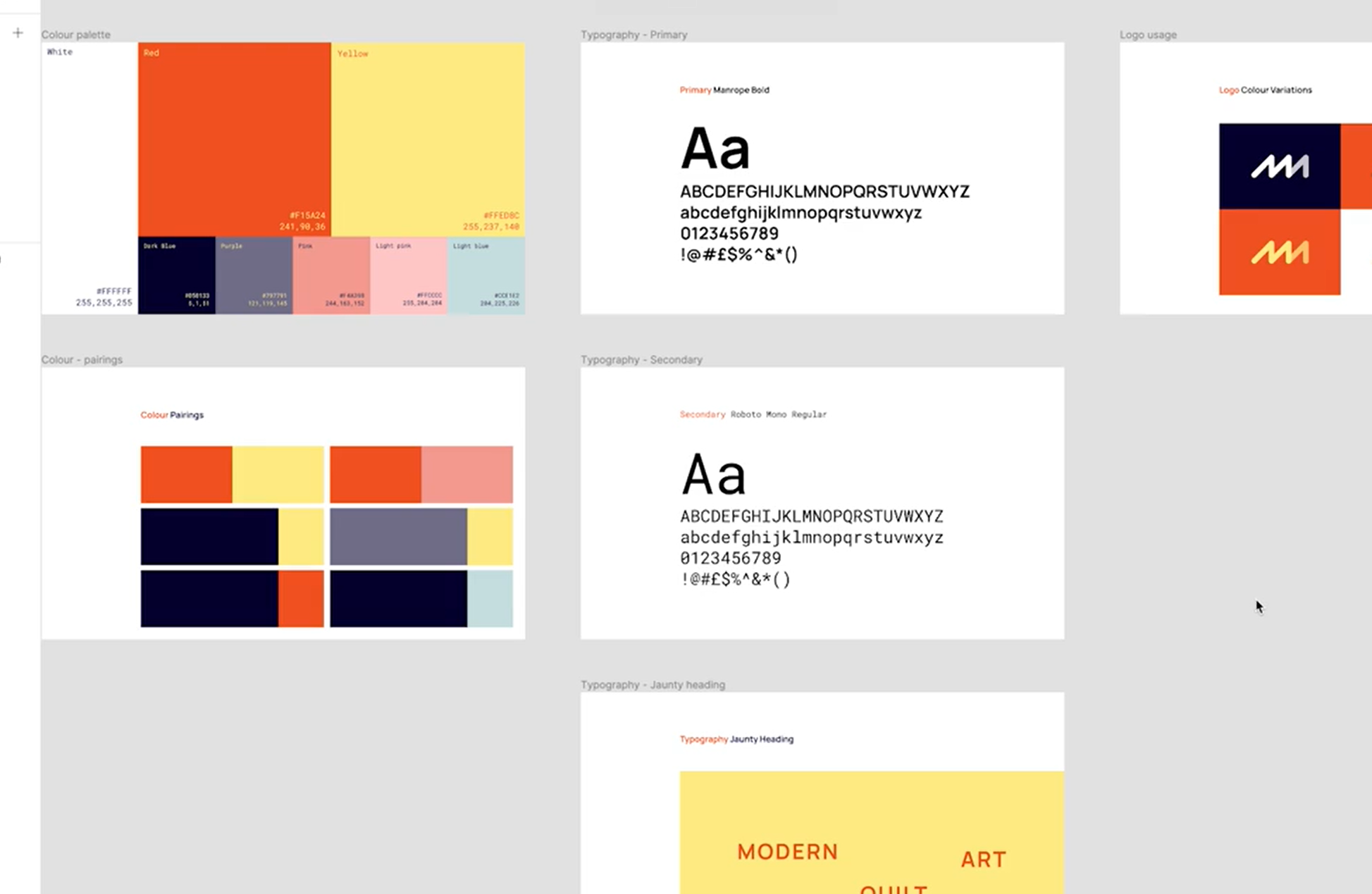
1. Color palette
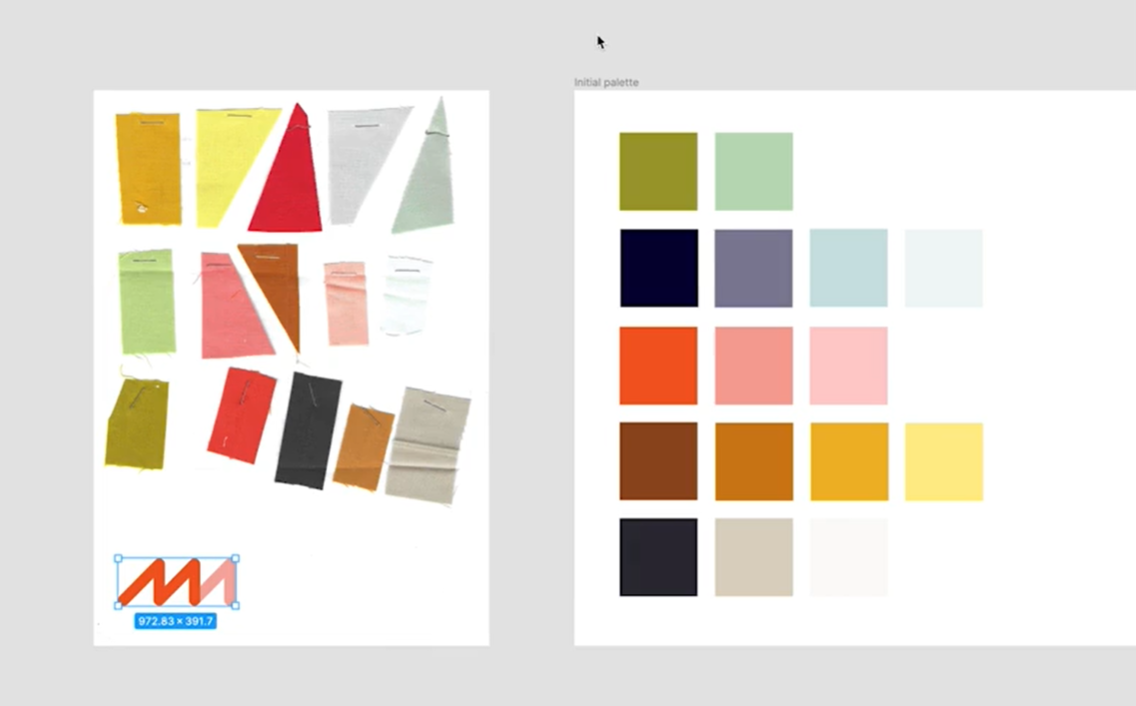
- Gather all the colors from the client's branding. If not available, refer to the logo colors.
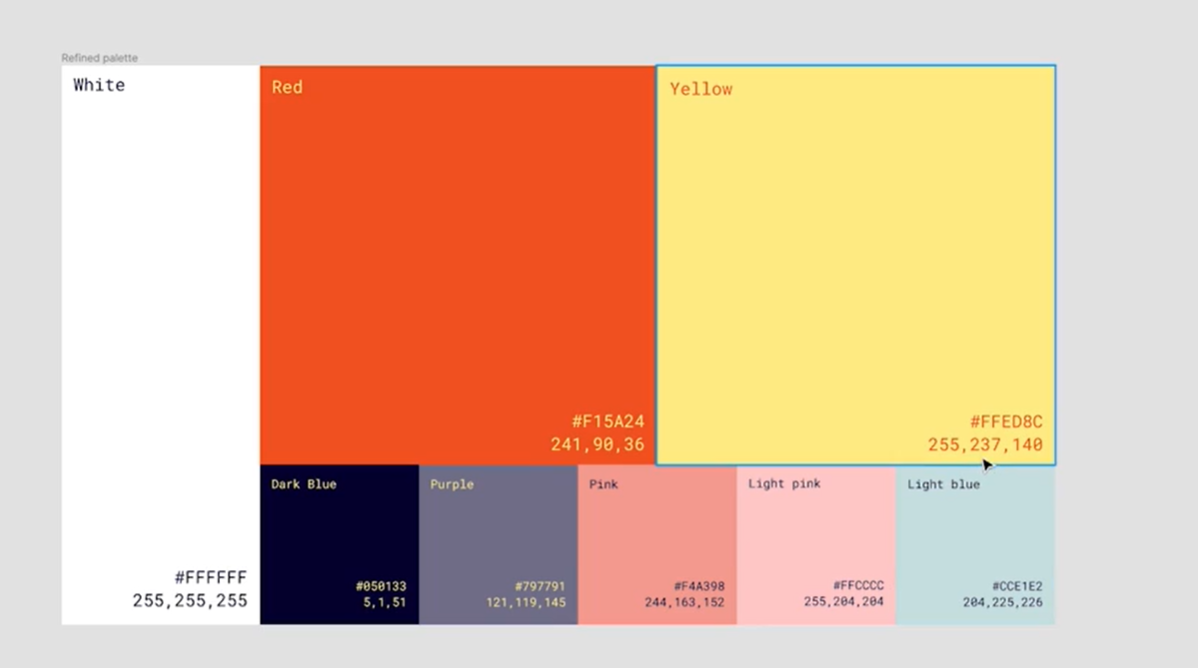
- Through a process of elimination, refine the selection:
- core colors (primary, secondary, light, dark)
- accent (other)
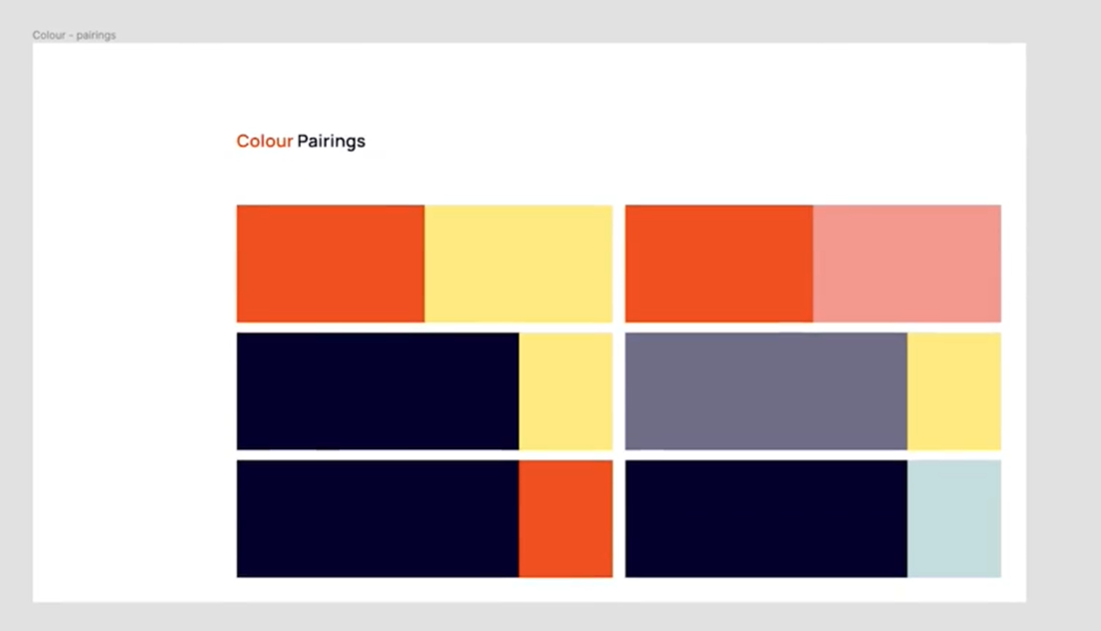
- Create color pairings (can help you with typography).
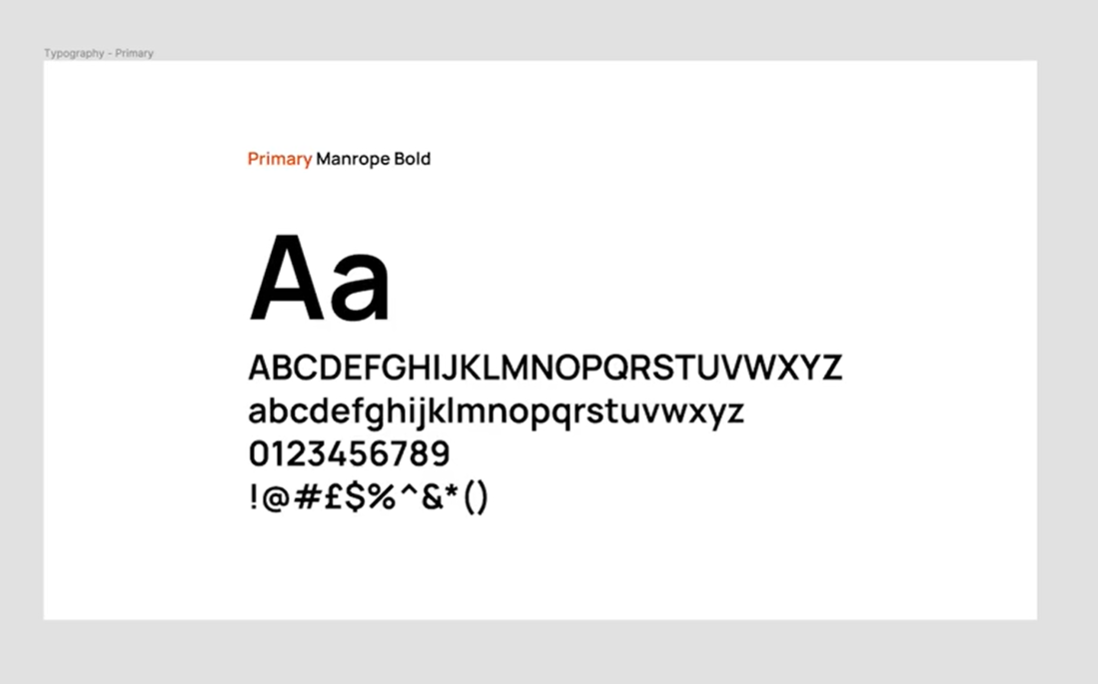
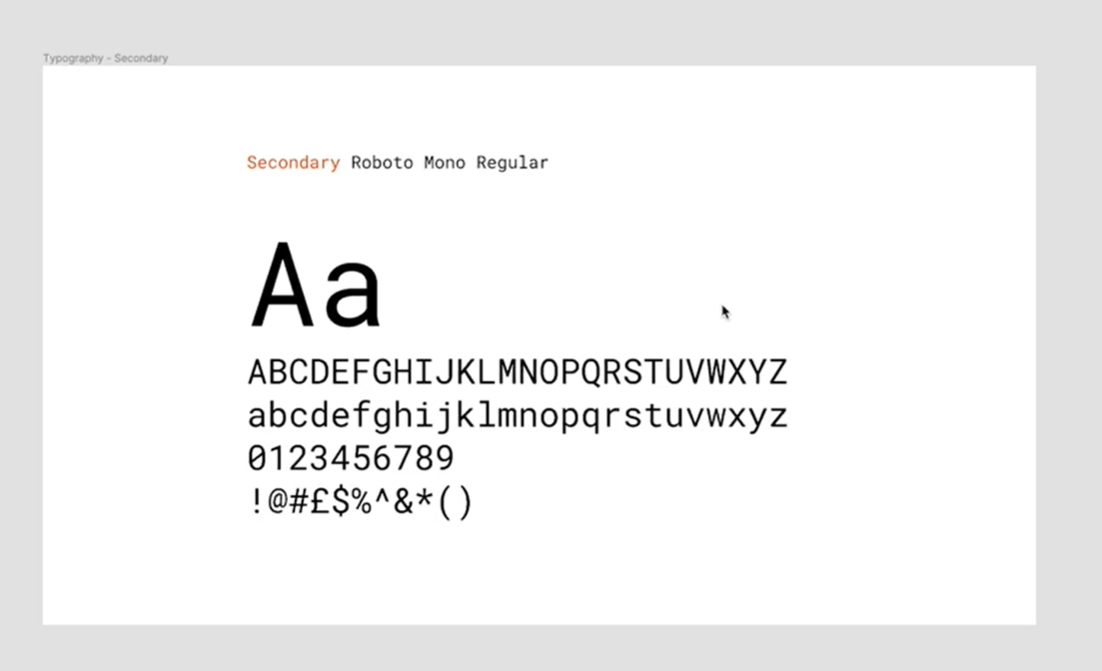
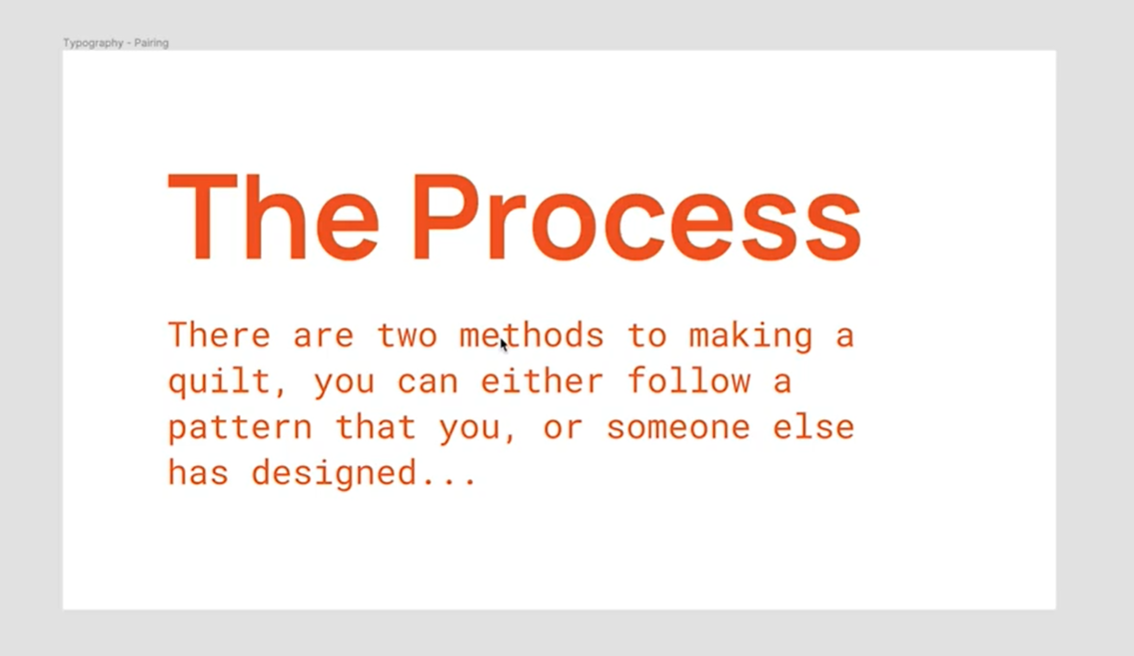
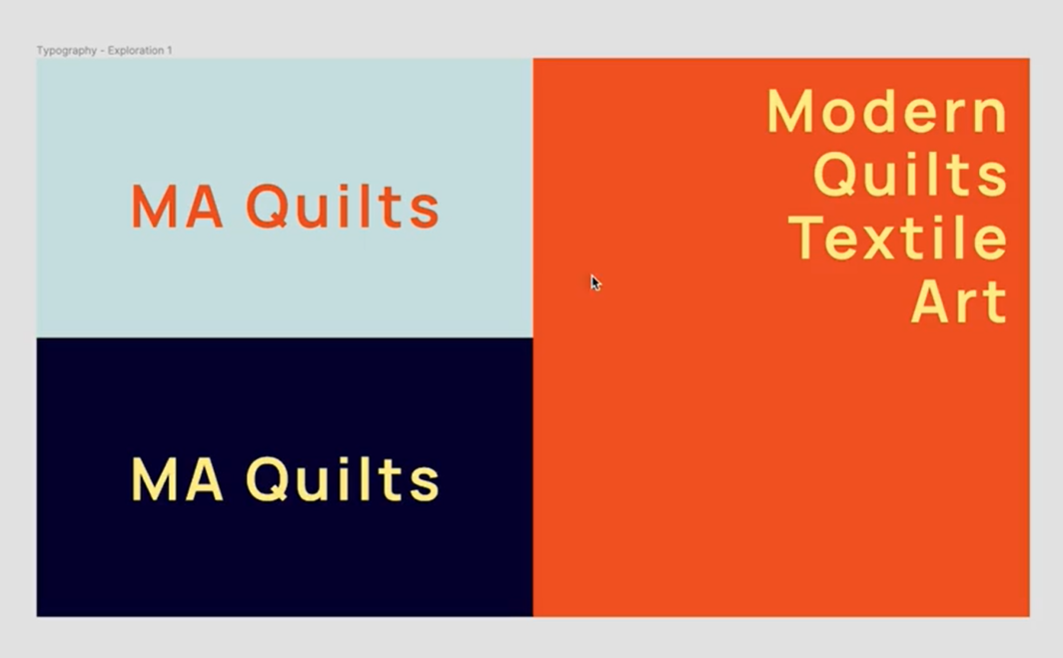
2. Typography
- Your choices in fonts will convey different feelings.
- Selection of font pairing (primary and secondary).
- Try with the colors.
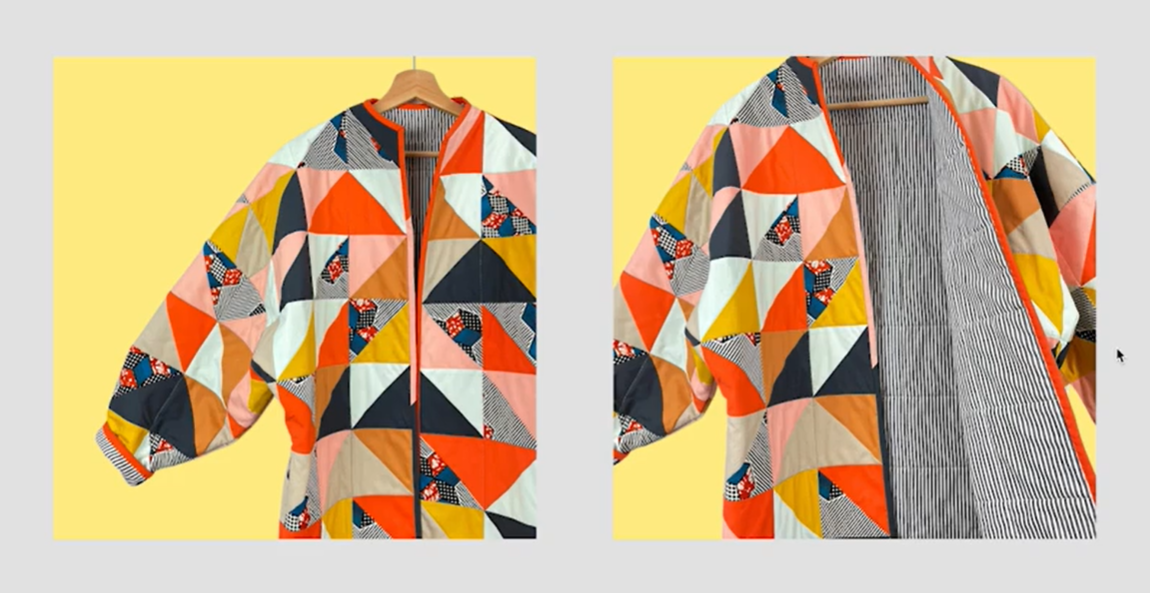
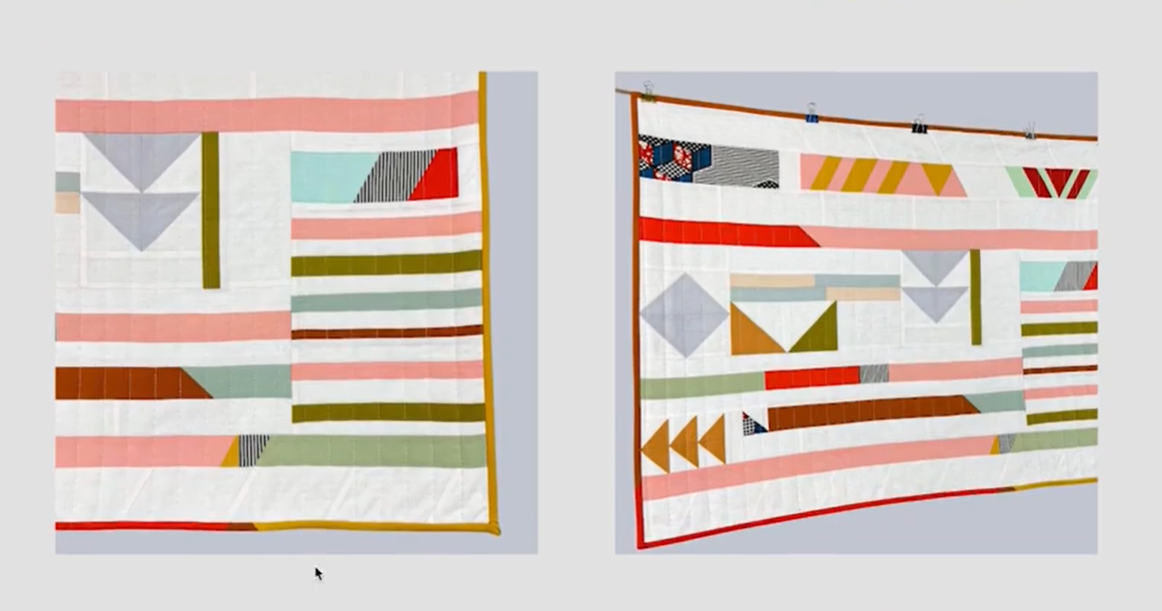
3. Photography
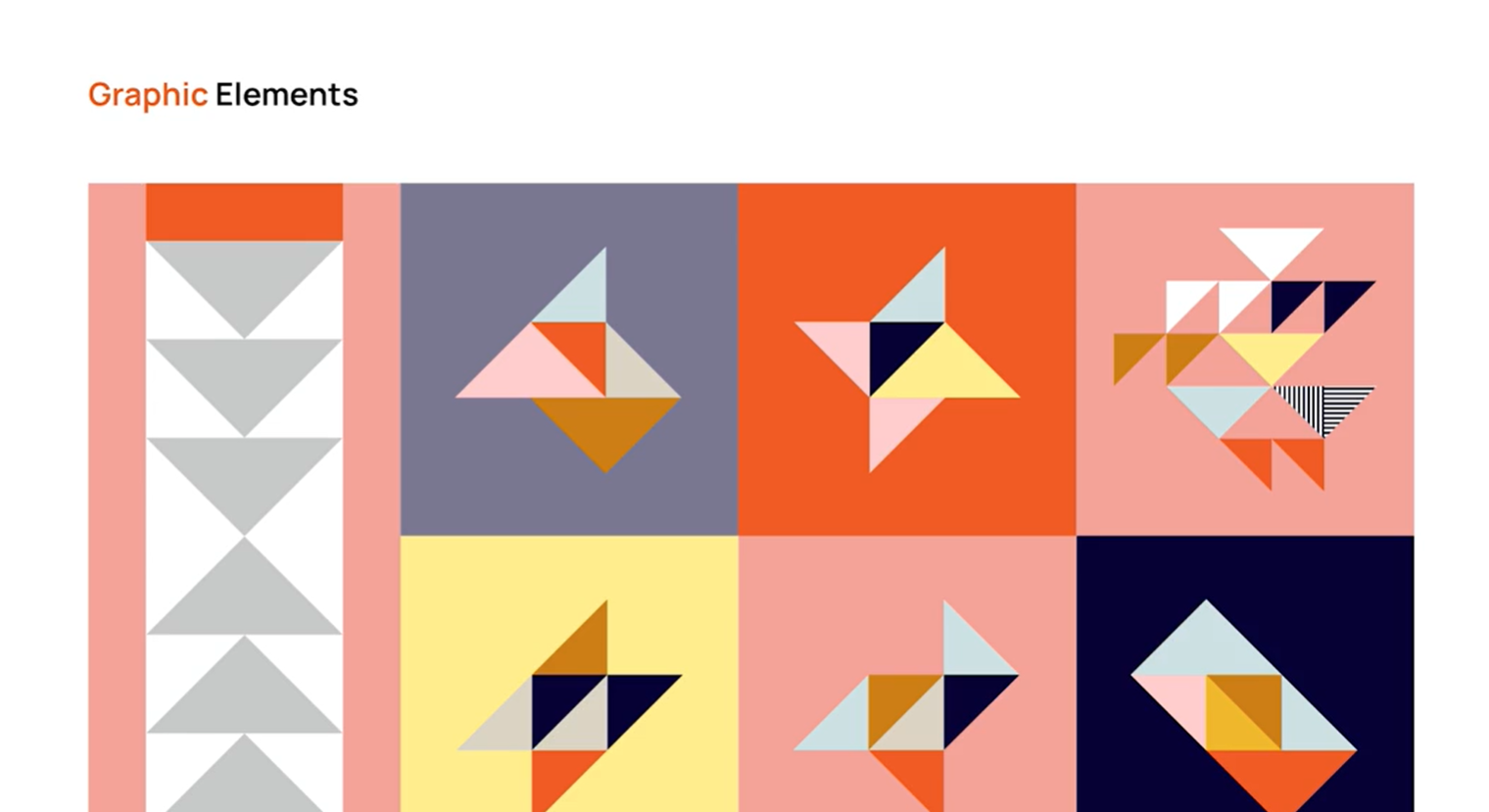
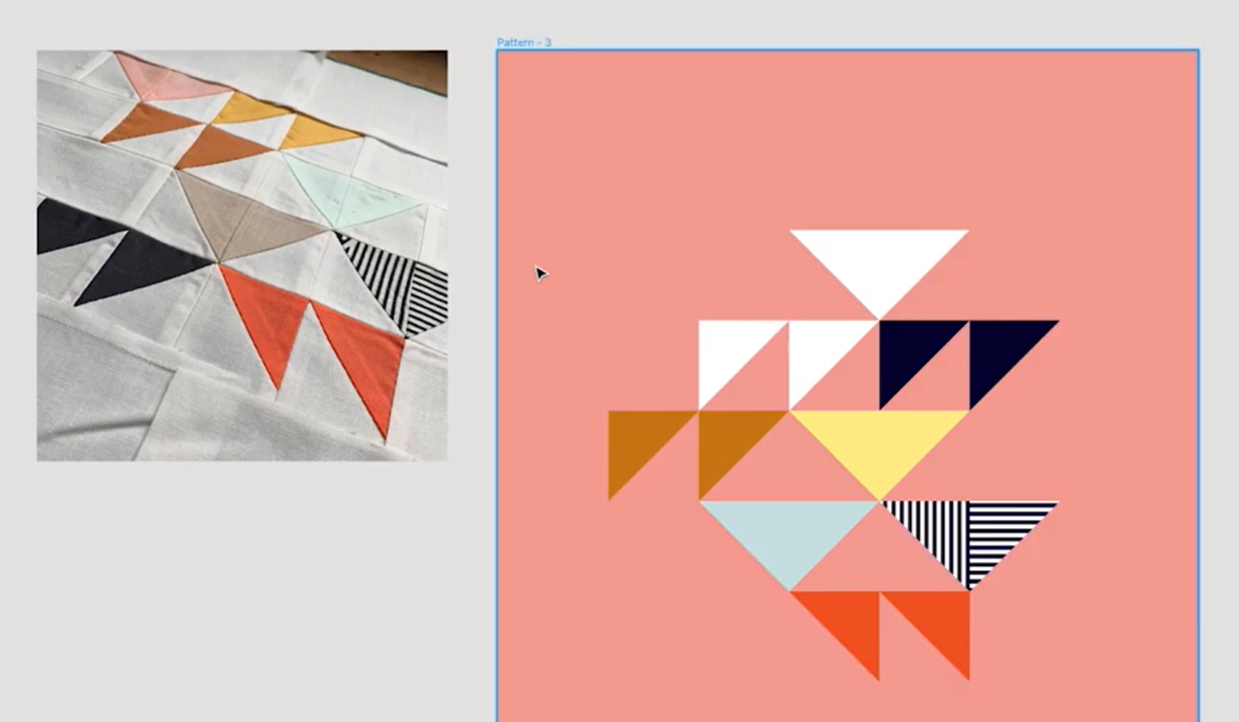
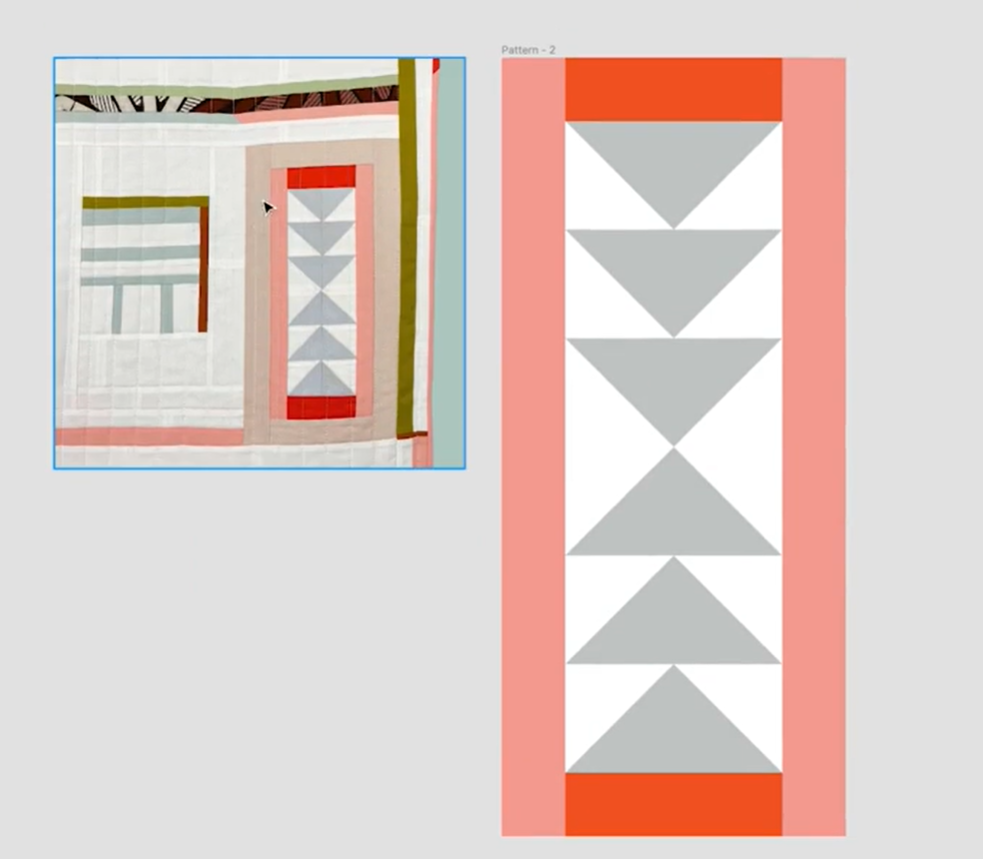
4. Graphic exploration
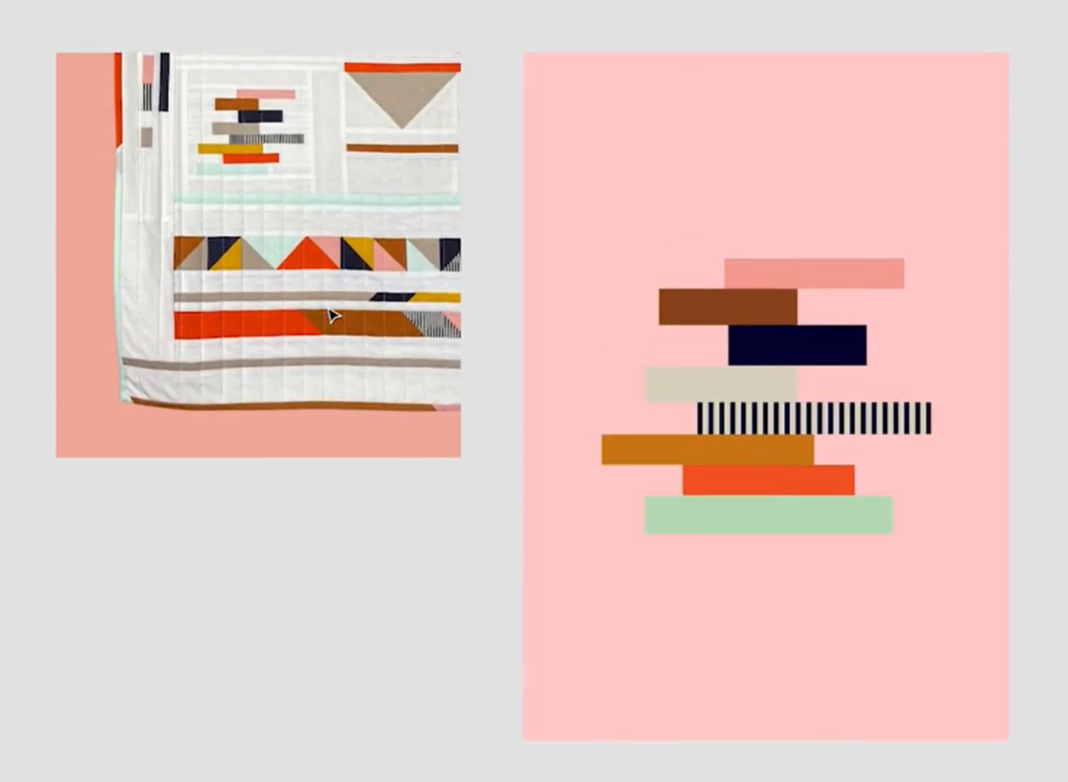
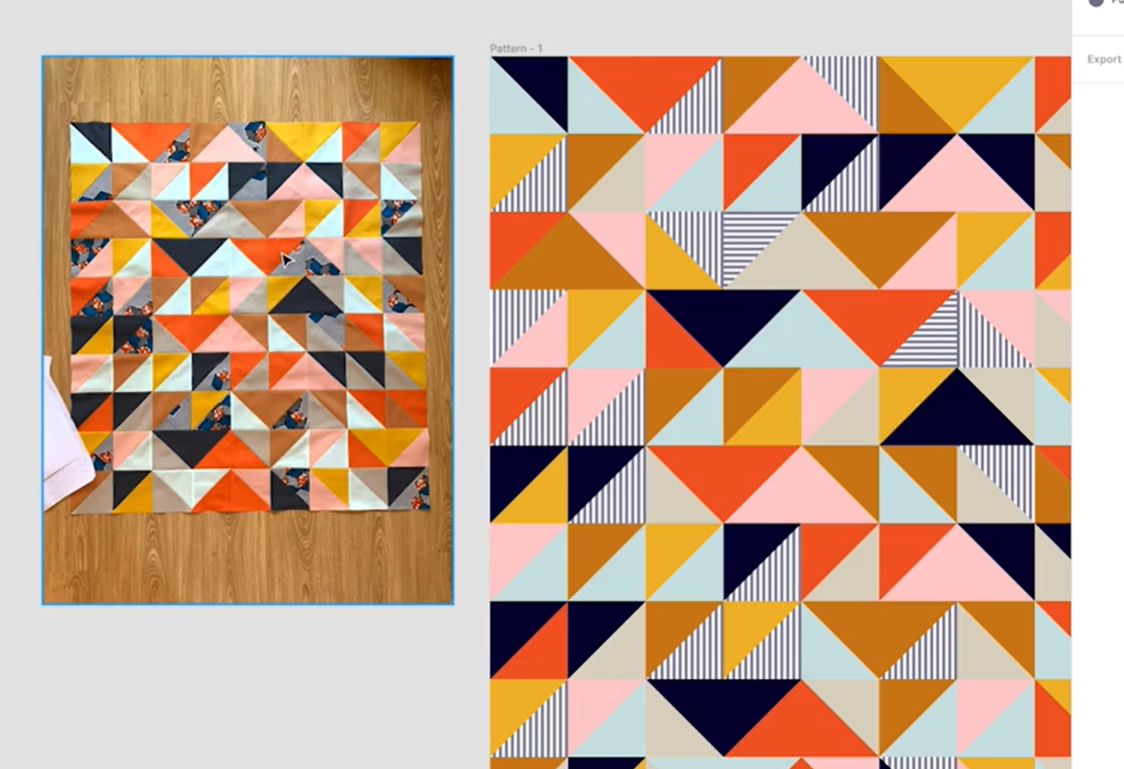
- Create graphical elements based from the photos provided by client.
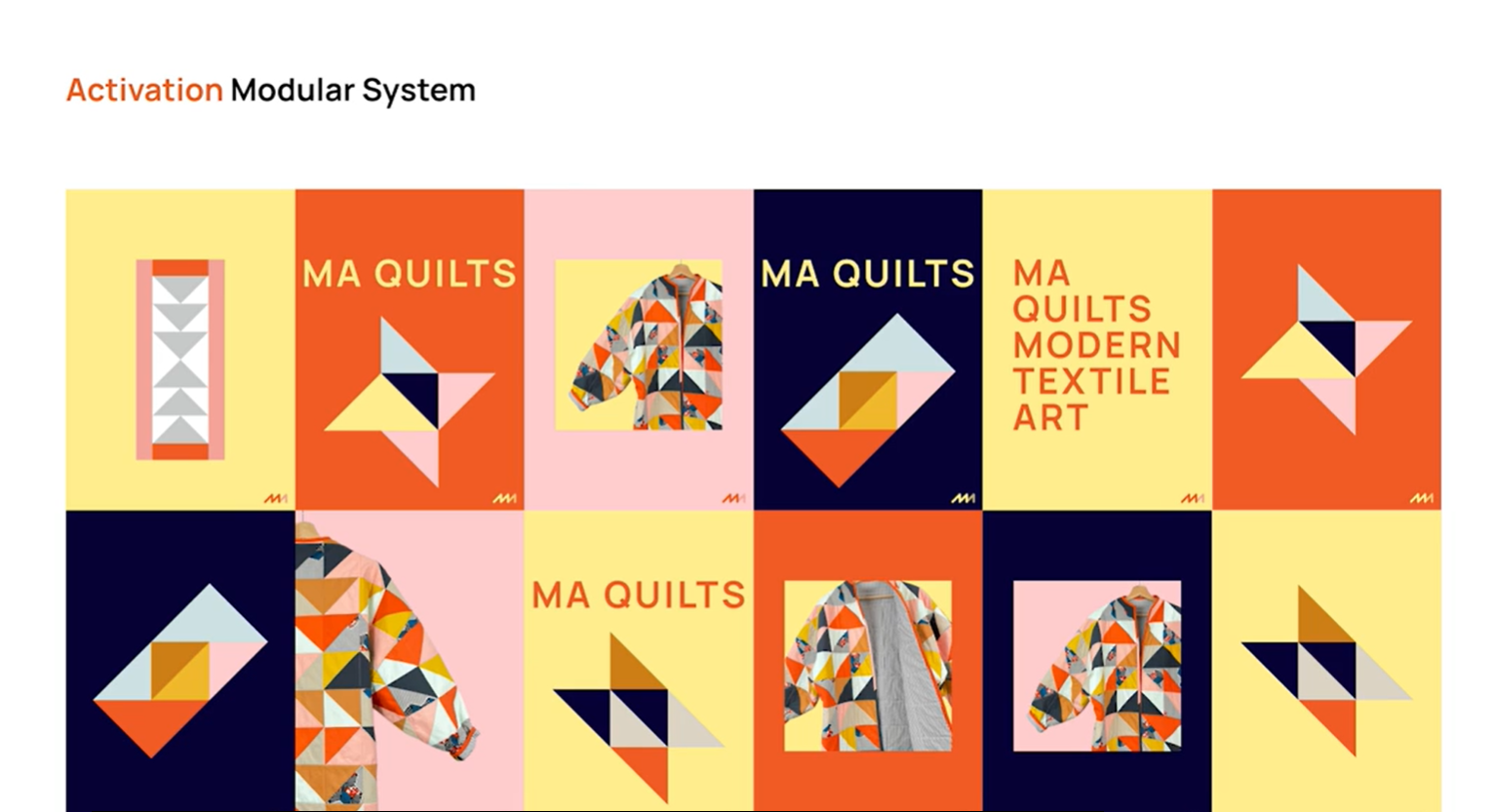
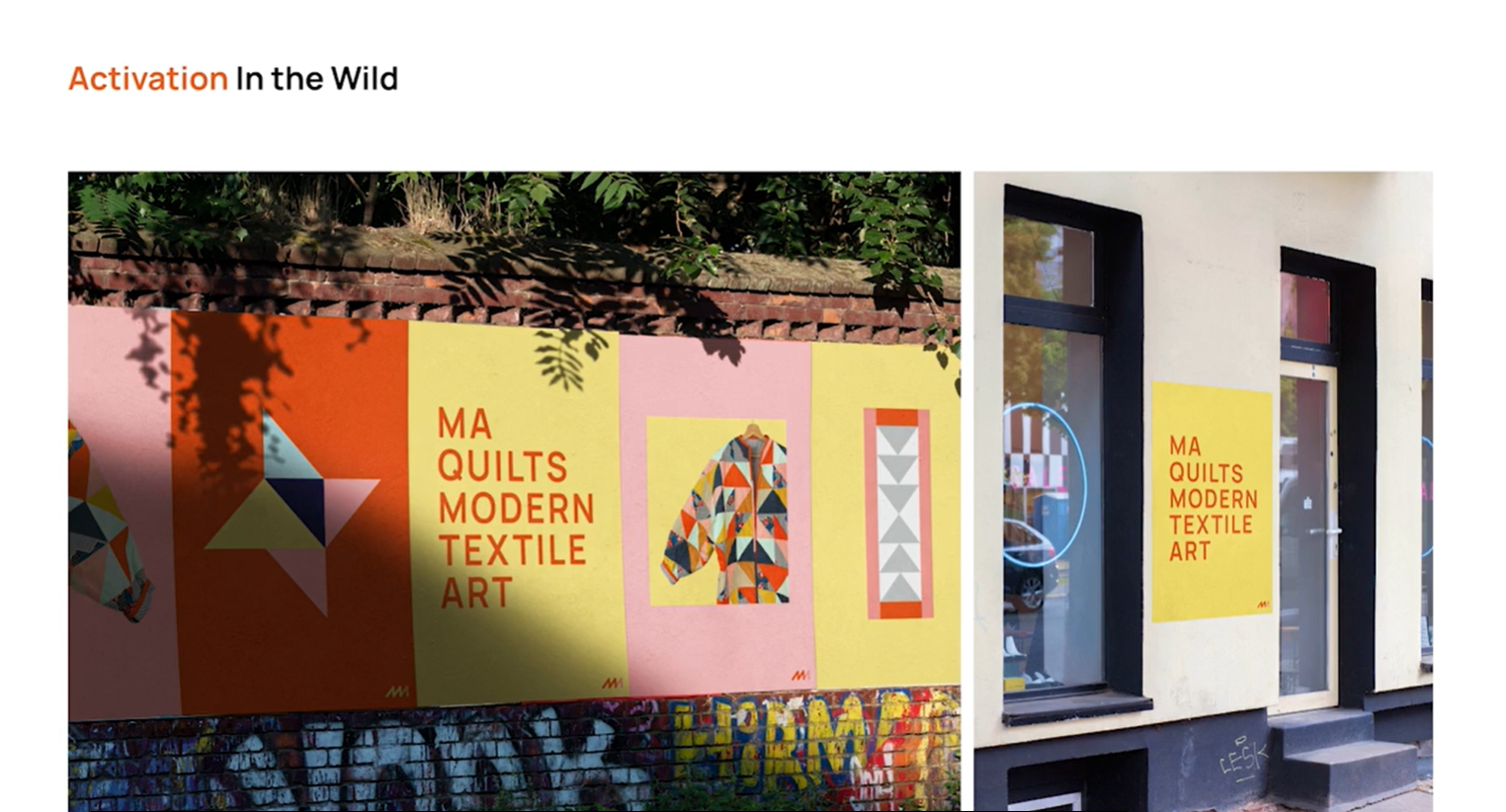
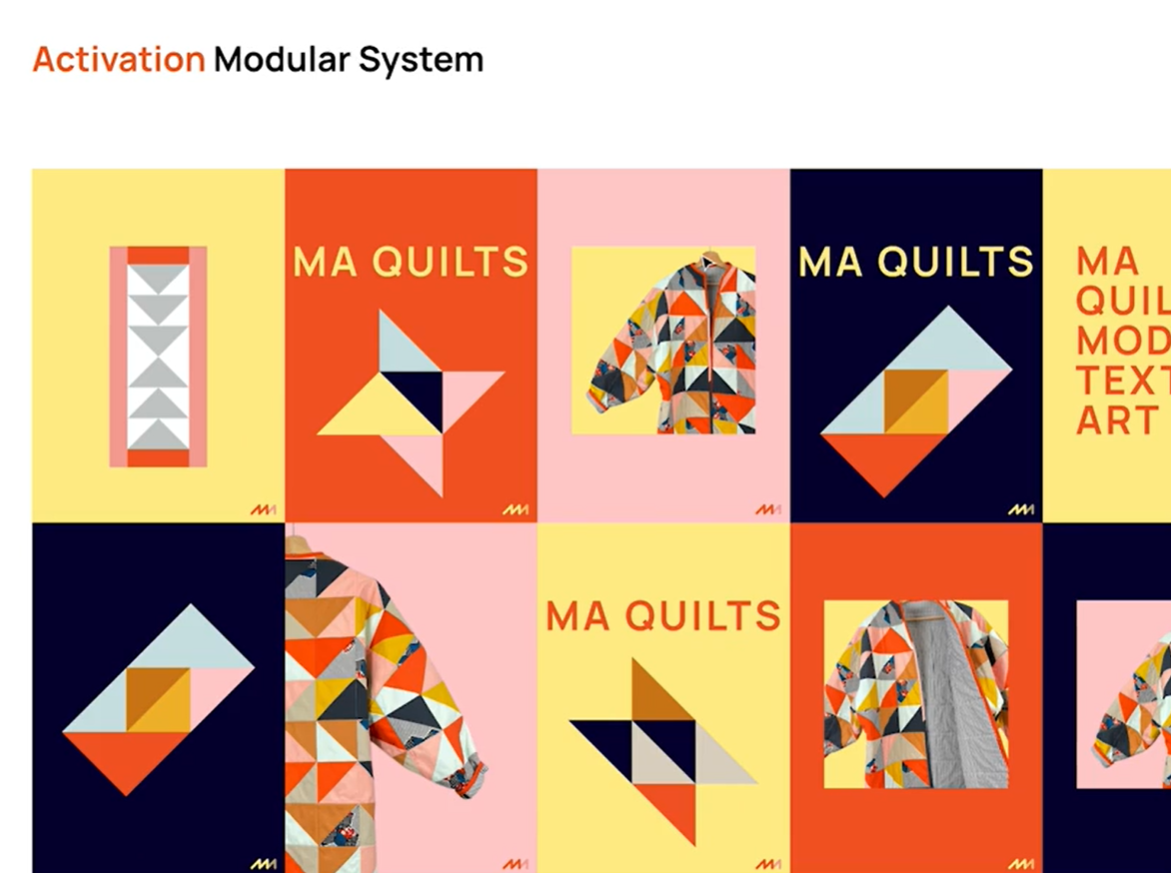
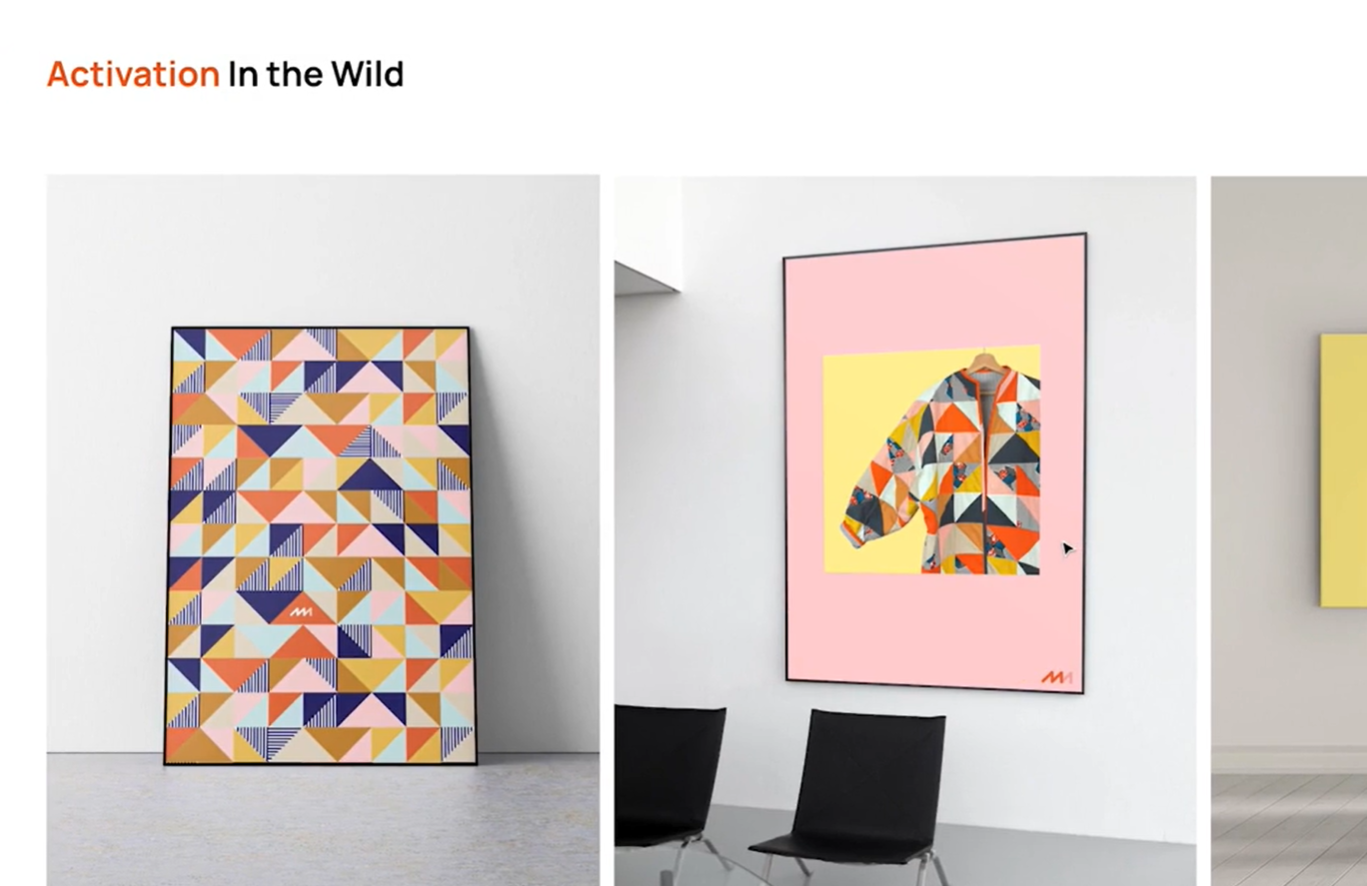
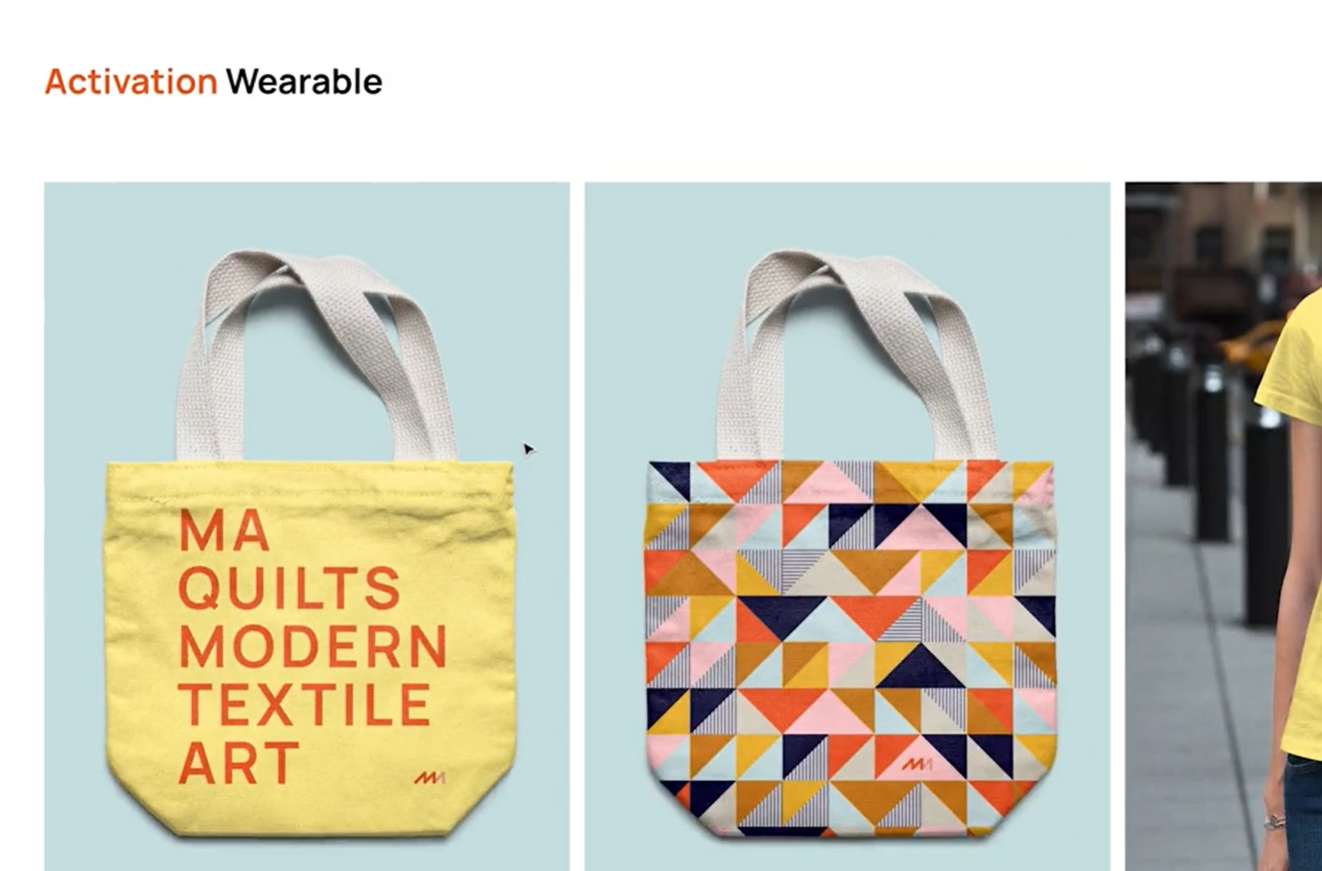
5. Activating the brand
- Create a graphic profile, mockups
E. Bring the design to life
Conclusion
- By having proper client consultation, all elements that should be covered will be available at hand.
- Explore with color and typography. Have pairings and options as many as possible then refine selection by the process of elmination.
- Graphic identity is a must for any brand so make sure to create one before starting.